
Penny wise, pound foolish
The government allocated $50 billion in Budget 2020 to deal with the pandemic - on top of the $12.1 billion already allocated. We were going to spend what was needed for a strong public health response. Read more
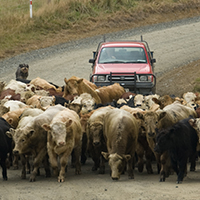
Last week's protests by farmers show it is only a matter of time until the Government's punitive approach on emissions will fail. With each new policy the Government is burning political capital at a faster rate than it is cutting emissions. Read more
Governments and councils have two basic levers for achieving policy objectives. They can spend money on programmes aimed at providing the desired outcome. Read more
When opposition parties produce policy documents, they can be overly simplistic and populist. They can be unrealistic because they do not have to be implemented straight away. Read more
Japan’s post Second World War economic growth was astonishing. Despite widespread devastation, Japan produced an economic miracle. Read more
In my book, governments that do not publish a competent cost-benefit assessment justifying their spending and regulatory proposals do not take community wellbeing seriously.(Only if the wellbeing benefits plausibly exceed the costs is the policy likely to benefit the public.) The absence of such an assessment is now common. It suggests that a measure is being imposed on the public for partisan or elitist, paternalistic reasons. Read more
So, it’s not coming home. 55 years after England’s last international football tournament triumph, the Three Lions are still waiting to beat their trauma. Read more
In 1870, British Prime Minister William Gladstone up-ended Britain’s civil service. Instead of officials being appointed by politicians following changes of government, Gladstone’s reforms introduced a permanent, politically independent public service. Read more
When the government set a binding cap on New Zealand’s net emissions through the Emissions Trading Scheme, it also set a second cap – on prices. The hope was that that second cap would not really be needed, but it looks like it might become relevant rather sooner than anyone expected. Read more
We all wish Helen Clark a long life. At the same time, that prospect makes us nervous. Read more
Last year’s cannabis referendum failed by a 51% to 49% margin. Drug reform advocates have since suggested decriminalising drug possession as alternative. Read more
Treasury’s report this week on long term fiscal position does not make easy reading. Based on historical trends, the analysis shows government spending will consume 43% of GDP, up from 33% currently, by 2061. Read more
By the end of the year, all going well, everyone in New Zealand who wants to be vaccinated against Covid-19 will be vaccinated against Covid-19. All of the developed world barring Australia is rolling out vaccination more quickly than New Zealand. Read more
Once upon a time, central bankers did not tweet. And not just because there was no Twitter. Read more
In recent months there have been a few changes to KiwiSaver with more under consideration. But those who are inclined to tinker with the scheme should be looking at the evidence on its efficacy and thinking about whether any changes are consistent with its objective – to help those with a savings problem save more for their retirement. Read more