Efficiency first in road pricing case
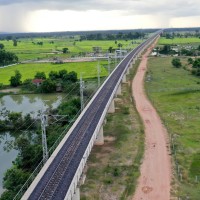
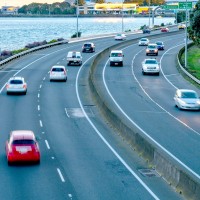
The Government plans to implement road pricing tools like congestion charging and toll roads. This will be an important first step in establishing a more rational transport system. Read more
For the past six years, I have had the privilege of writing this Newsroom column on any Europe-related topic. While some may appear obscure at first, I always choose topics that I think New Zealanders can benefit from knowing more about. Read more
The New Zealand Initiative has taken advantage of the tumultuous media landscape and branched out this week into news coverage. Your faithful reporter’s first task was covering the approval of the Wellington City District plan by the Minister for RMA Reform. Read more
Social media use is ubiquitous. Young people, especially, are relying on it for social interaction, sometimes to the near exclusion of offline friendships. Read more
In this episode, Oliver talks to John Morris, ONZM, an educator and a former footballer who represented NZ on an international level. They discuss the decline of New Zealand's school system in recent decades and the difficulties in reforming it. Read more
Cast your mind back to mid-December. A new Prime Minister had just been sworn in, the new Government started its 100-day programme, and Christmas was only days away. Read more
In this podcast episode, James talks Professor Abhishek Saha about the state of academic freedom and free speech in UK universities. They discuss the newly passed Higher Education Freedom of Speech Act, its key provisions, and its potential impact on protecting the right of academics and students to express diverse viewpoints without fear of censorship or repercussions. Read more
New Zealand has an infrastructure deficit of at least $100 billion, a huge amount for a small country and a significant drag on productivity and economic growth. Not all of this can be financed from within New Zealand, meaning a need for overseas investment. Read more
1.1 This submission, in response to the Controller and Auditor-General’s report Making Infrastructure Investment Decisions Quickly (2023), is made by The New Zealand Initiative (the Initiative). The Initiative is a Wellington-based think tank supported primarily by major New Zealand businesses. Read more
Even today’s sharpest critics of economics should give economists credit for two substantial wins for liberalism over the past couple of centuries. In 1849, Thomas Carlyle called economics ‘the Dismal Science.” The name stuck, but most people using the term have forgotten why Carlyle gave us that name. Read more
Spare a thought for New Zealand’s Finance Minister, Nicola Willis as she prepares to deliver her first Budget later this month. The economic circumstances she has inherited from her predecessor, Grant Robertson, are the worst any Kiwi finance minister has faced since the tumultuous days of Roger Douglas and Ruth Richardson in the 1980s and early 1990s. Read more
They say that denial is the first stage of grief and that overcoming it matters if you want anything to get better. There has been an awful lot of denial of the serious fiscal problem that the government must start addressing in May’s budget. Read more
As your Vice-Chancellor here at He Waka Kore Hoe (once known as Elizabeth University), I’m excited to announce the 17th consultation period (Round 3A) for our public panel on free speech, which will kick off next Monday, November 12th, 2031. I am grateful to all the groups who made submissions during the last round, including Anti-Racists for Climate Justice, Students Against Education, Queers for Palestine, Vegans Anonymous, Anonymous, the Philistine Society, Debating Debate Club, and More Mao Now! Read more
History often helps put current controversies in context. In 1968, the American Civil Liberties Union’s Ira Glasser defended racist Alabama Governor George Wallace’s right to speak at a city-owned stadium in New York. Read more
New Zealand has an infrastructure deficit of at least $100 billion, a significant drag on productivity and economic growth. Not all this deficit can be financed from within New Zealand, meaning we will need overseas investment. Read more