Shades of 1933 in German state elections
On Sunday, Germany experienced a political earthquake. For the first time since 1933, a far-right party, the Alternative for Germany (AfD), became the largest party in a state election. Read more
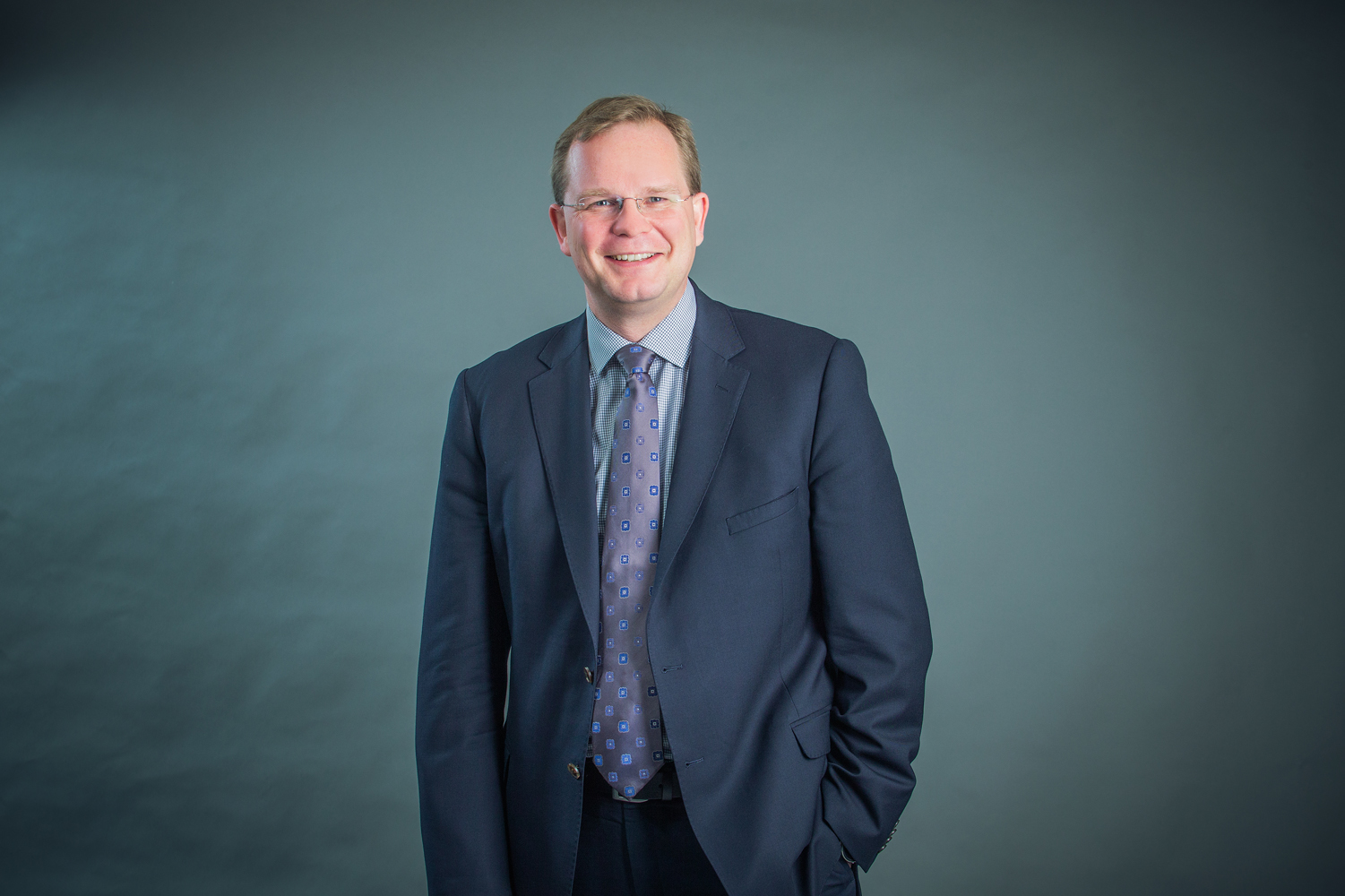
Oliver is the Executive Director of The New Zealand Initiative. Before joining the Initiative, he was a Research Fellow at the Centre for Independent Studies in Sydney, the Chief Economist at the Policy Exchange in London, and an advisor in the UK House of Lords.
Oliver holds a master's degree in economics and business administration and a PhD in Law from Bochum University in Germany.
Oliver is available to comment on all of the Initiative’s research areas.
Phone: +64 4 499 0790
On Sunday, Germany experienced a political earthquake. For the first time since 1933, a far-right party, the Alternative for Germany (AfD), became the largest party in a state election. Read more
In this episode, Michael and Oliver explore the growing support for alternative political parties in former East German states and its potential impact on German federal politics, particularly regarding foreign policy and international relations. They discuss historical and social factors contributing to this trend, while also examining how these changes in Germany could affect global democratic systems and drawing parallels to challenges facing other liberal democracies, including New Zealand. Read more
“We have become a corporate body concerned about brand image in a content marketing world in a climate of cancel culture,” lamented one academic. “I feel my job is at risk if I question the direction the university is taking. Read more
In this podcast episode, Oliver interviews Max Salmon about the findings of a recent survey of New Zealand local government officials, detailed in his latest research note called "The Pulse of Local Government." The survey reveals that local councils generally desire more autonomy from central government, feel financial pressures from population growth, and support localism, but also highlights some contradictions in their views on amalgamation and their relationship with ratepayers. Read Max Salmon's research note "The Pulse of Local Government" here. Read more
Ever since HSBC’s Paul Bloxham first called New Zealand a “rock star economy” back in 2014, I have been wondering what he had meant. It was not entirely clear, even back then when the economy was doing a lot better. Read more
Wellington (Thursday, 22 August 2024) - The New Zealand Initiative welcomes the government's newly released Regional Deals Strategic Framework, seeing it as a positive step towards empowering local communities and fostering economic growth. Nick Clark, Senior Fellow at The New Zealand Initiative, says the framework aligns with many of the recommendations the think tank has been advocating for years. Read more
Dr James Kierstead discusses his new report Unpopular Opinions: Academic Freedom in New Zealand with Prof Grant Schofield. Dr Oliver Hartwich moderates this discussion. Read more
German state elections rarely warrant a column in New Zealand. But when an election threatens to end Germany’s post-war political order, an exception is justified. Read more
Dr Oliver Hartwich appeared on The Platform to talk to Sean Plunket about the recent cut to New Zealand's Official Cash Rate (OCR) by the Reserve Bank. Oliver explains that while the decision was economically justified given the country's economic struggles, he criticises the Reserve Bank's communication, arguing they should have been more transparent about changing their previous stance. Read more
Te Whatu Ora Commissioner Lester Levy opened our second Health Innovators’ Summit with a sobering stocktake. Patients wait too long for essential services. Read more
If you have ever attended an Australia-New Zealand business conference, you will know how predictable they have become. So much so, one could script them in advance: effusive declarations of being family, obligatory jokes about rugby and pavlova, followed by the same old gripes about mutual recognition and franking credits. Read more
In this episode, Nick discusses his latest research note on revenue sharing between central and local government. The main idea is to provide financial incentives for local councils to be more supportive of housing development, potentially addressing New Zealand's housing crisis by aligning the interests of central and local governments. Read more
Imagine a New Zealand where every major company is neatly divided between the North and South Islands. You would fill up at BP North Island or BP South Island, shop at The Warehouse North Island or The Warehouse South Island and get your mobile service from Spark North Island or Spark South Island. Read more
Last week’s prisoner exchange between Russia, Belarus and several Western nations offered a stark glimpse into the workings of modern autocracies. As such, it serves as a timely backdrop to Anne Applebaum’s new book, Autocracy, Inc.: The Dictators Who Want to Run the World, which examines the collaborative efforts of authoritarian regimes to undermine liberal democracy globally. Read more
This episode features Michael, with Oliver, responding to and critiquing statements made by Prof Peter O'Connor on RNZ about education policy. Michael systematically disagrees with O'Connor's views on the government's proposed education reforms, arguing that O'Connor misrepresents the reforms and presents false dichotomies between knowledge acquisition and creativity in education To listen to our latest podcasts, please subscribe to The New Zealand Initiative podcast on iTunes, Spotify or The Podcast App. Read more