
Podcast: Economic Roundtable
Oliver Hartwich discusses the biggest economic issues of the week with Eric Crampton and Bryce Wilkinson: How transitory is inflation? Will we ever see the return of supply-side economics? Read more
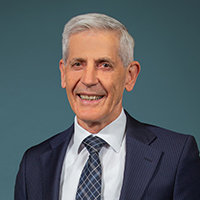
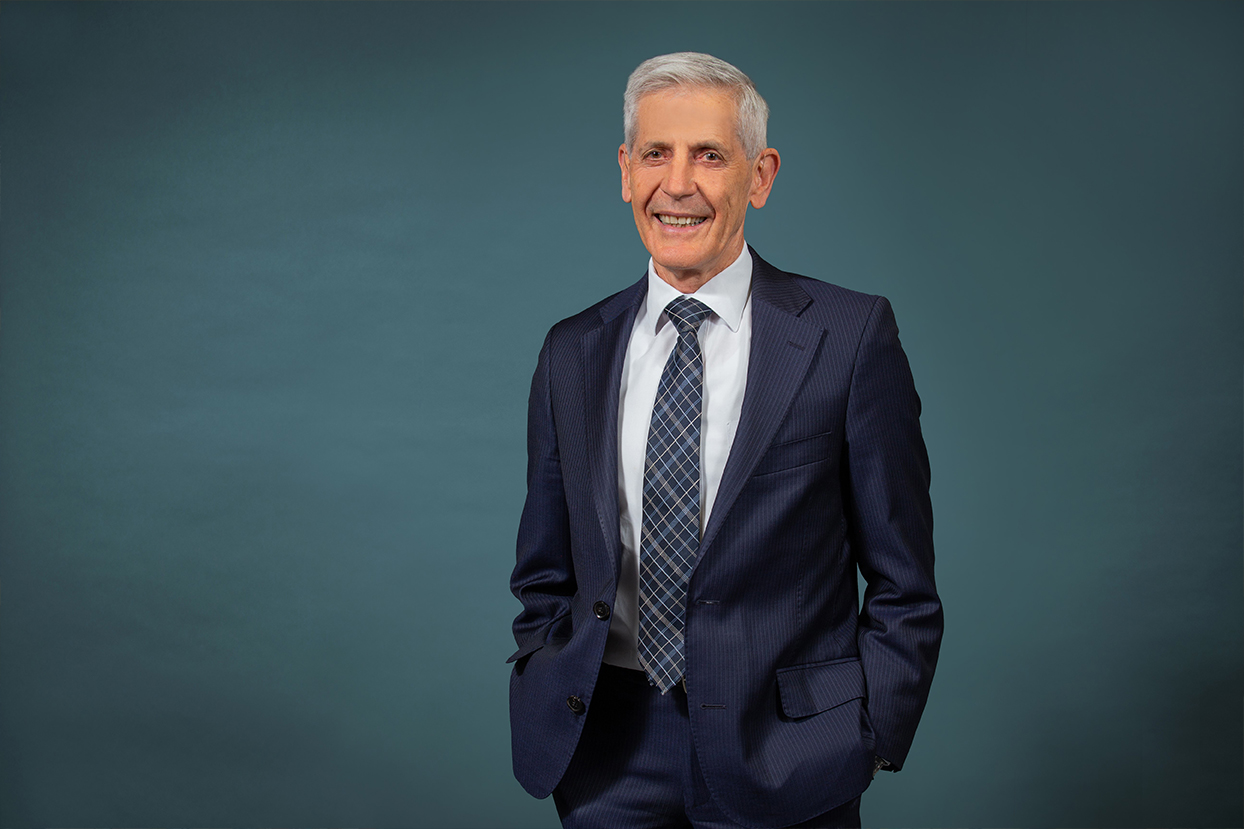
Bryce is a Senior Fellow at The New Zealand Initiative and the Director of the Wellington-based economic consultancy firm Capital Economics.
Prior to setting up his consultancy in 1997, he was director, and shareholder in First NZ Capital. Before moving into investment banking in 1985, he worked in the New Zealand Treasury, reaching the position of Director.
Bryce holds a PhD in Economics from the University of Canterbury and was a Harkness Fellow at Harvard University. He is a Fellow of the Law and Economics Association of New Zealand.
Phone: +64 4 499 0790
Oliver Hartwich discusses the biggest economic issues of the week with Eric Crampton and Bryce Wilkinson: How transitory is inflation? Will we ever see the return of supply-side economics? Read more
A race-neutral approach to government health (and welfare) spending would give the same treatment to people in the same circumstances. It would ignore irrelevant matters such as race, ethnicity, religion, gender, or creed. Read more
Oliver Hartwich talks to senior fellow Dr Bryce Wilkinson about the state of the global economy and fears of a major recession. To listen to our latest podcasts, please subscribe to The New Zealand Initiative podcast on iTunes, Spotify or The Podcast App. Read more
We explained in our November research report "Walking the Path to the Next Global Financial Crisis" why concerns about prolonged economic stagnation, or even serious recessions, should be taken seriously. During the 2008-2010 global financial crisis, governments' responses had turned a banking crisis into a public debt crisis. Read more
Fevered with Covid and isolated in a Te Anau motel, I imagined the following interview. Q: Finance Ministers traditionally urge people to be prudent – not to borrow to invest in shares. Read more
John Ryan (former Auditor-General) has raised concerns about the transparency of the Government's Covid response fund. He says MPs and the general public haven't been getting enough information about how the $74 billion fund is being spent. Read more
Last week, Inland Revenue Minister David Parker gave a speech titled “shining the light on unfairness in the tax system”. His speech defended an Inland Revenue investigation into the “tax paid by the wealthiest New Zealanders relative to their economic income”. Read more
This government is teaching us many things. One is that it and its supporters have no quarrel with governments that steam-roll radical reforms through parliament. Read more
Too many people think that what people get paid should bear some relationship to effort, merit or responsibility. Useless economists think it should have something to do with supply and demand. Read more
There is potential value in having a country’s economic policies reviewed by international organisations. Done well, they provide residents with non-partisan expert perspectives. Read more
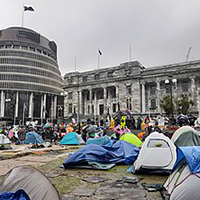
Tolerance for legitimate protest is one thing. The current illegal occupation of public and private property around Parliament is another. Read more
Last November we published a report, Walking the Path to the Next Global Financial Crisis. Public debt ratios in many major economies are alarming. Read more
Officially, New Zealand governments welcome overseas investment. In practice, they do much to thwart it, for no good reason. Read more
This is going to be a busy and difficult year for government. It is planning major changes to the health system, tertiary education, local government (the ‘Three Waters’), environmental rules and wage setting arrangements - while also struggling with COVID and the disaster which is housing policy. Read more
It is easy to squander taxpayers’ money if you are a central bank. The losses amount to a few thousand dollars per household, but hardly anyone is aware of it. Read more