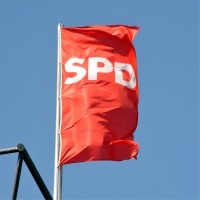
I’m a liberal now but I still mourn the slow death of the Social Democrats in Germany
A few years ago, I found an old calendar from 1979 in a box of things from my childhood. It was filled with the scribblings of a four-year-old. Read more
You searched , Opinion, Media for "" and got 479 results
A few years ago, I found an old calendar from 1979 in a box of things from my childhood. It was filled with the scribblings of a four-year-old. Read more
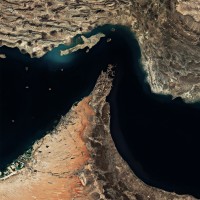
In this episode, Oliver speaks with retired Major General John Howard about the escalating Middle East conflict, unpacking the military realities behind the United States' shifting approach and the growing role of global powers like China and Russia. They explore what disruption in the Strait of Hormuz means for energy markets and why New Zealand may be more exposed to fuel and supply shocks than it realises. Read more
Dr Oliver Hartwich talked to Sean Plunket on The Platform about the looming fuel crisis, explaining that New Zealand's roughly nine-week oil supply chain from the Middle East means the real impact of the current war will be felt in the coming weeks as existing supplies run out. Dr Hartwich warned that even if peace were achieved quickly, damaged infrastructure and disrupted shipping logistics would take months to restore, leaving New Zealand facing a prolonged period of fuel uncertainty. Read more
In this episode, Eric talks with Andreas Heuser, partner at Heuser Whittington and lead economist on the government's fuel security study, about why the price system is New Zealand's best tool for managing fuel scarcity in the wake of the Strait of Hormuz closure. They discuss why calls for rationing are misguided, what the Marsden Point decision got right, and how the existing tax and transfer system can address the real pain households are facing. Read more
Dr Marian Tupy is the editor of HumanProgress.org, the world's most comprehensive database tracking improvements in human wellbeing, a senior fellow at the Cato Institute, and co-author of the acclaimed book Superabundance: The Story of Population Growth, Innovation, and Human Flourishing on an Infinitely Bountiful Planet. A leading voice on human progress, globalisation, and economic development, Marian's work does something rare: it challenges the pessimistic narratives we hear every day — not with opinion, but with hard evidence. Read more
Peter Smith asks a fair question. In Trump and the Paradox of American Power, I wrote that I had long favoured taking out Iran’s nuclear facilities – but not like this. Read more
In this episode, Oliver Hartwich and Eric Crampton are joined by retired Major General John Howard to assess the Iran conflict three weeks on, covering how it has escalated, what the odds of de-escalation look like, and whether a US ground invasion or ceasefire is realistic. They also explore the wider global picture, from China's posture around Taiwan to Ukraine's worsening position, and what it all means for New Zealand's fuel security, energy resilience, and national preparedness. Read more
After five years of stagnation, falling living standards and a cost-of-living crisis that ground down households and businesses, New Zealanders wanted nothing more than a return to normality: a bit of growth, stable prices and the relief of things finally getting better. At the start of 2026, it looked like that might be happening. Read more
Donald Trump promised the Iranian people their hour of freedom had arrived. Ten days later, the dead Supreme Leader’s son sits in his father’s chair, the Revolutionary Guard is still fighting, the Strait of Hormuz is closed, oil spiked above $100 a barrel and seven Americans are dead. Read more
In this episode, Oliver talks to retired Major General John Howard about the first week of US–Israel strikes on Iran — what the opening strikes reveal, how Iran is responding, and why the risk of escalation remains real. They then zoom out to the global ripple effects (Russia and Ukraine, China and Taiwan, NATO cohesion) and the practical consequences for New Zealand, from fuel and supply-chain disruption to the need for more proactive national security planning. Read more