Universities’ approach to Treaty at odds with academic freedom
New Zealand’s university leaders seem restless. In recent months, Massey, Victoria, Canterbury and Auckland Universities have all advertised for new Vice Chancellors (VCs). Read more
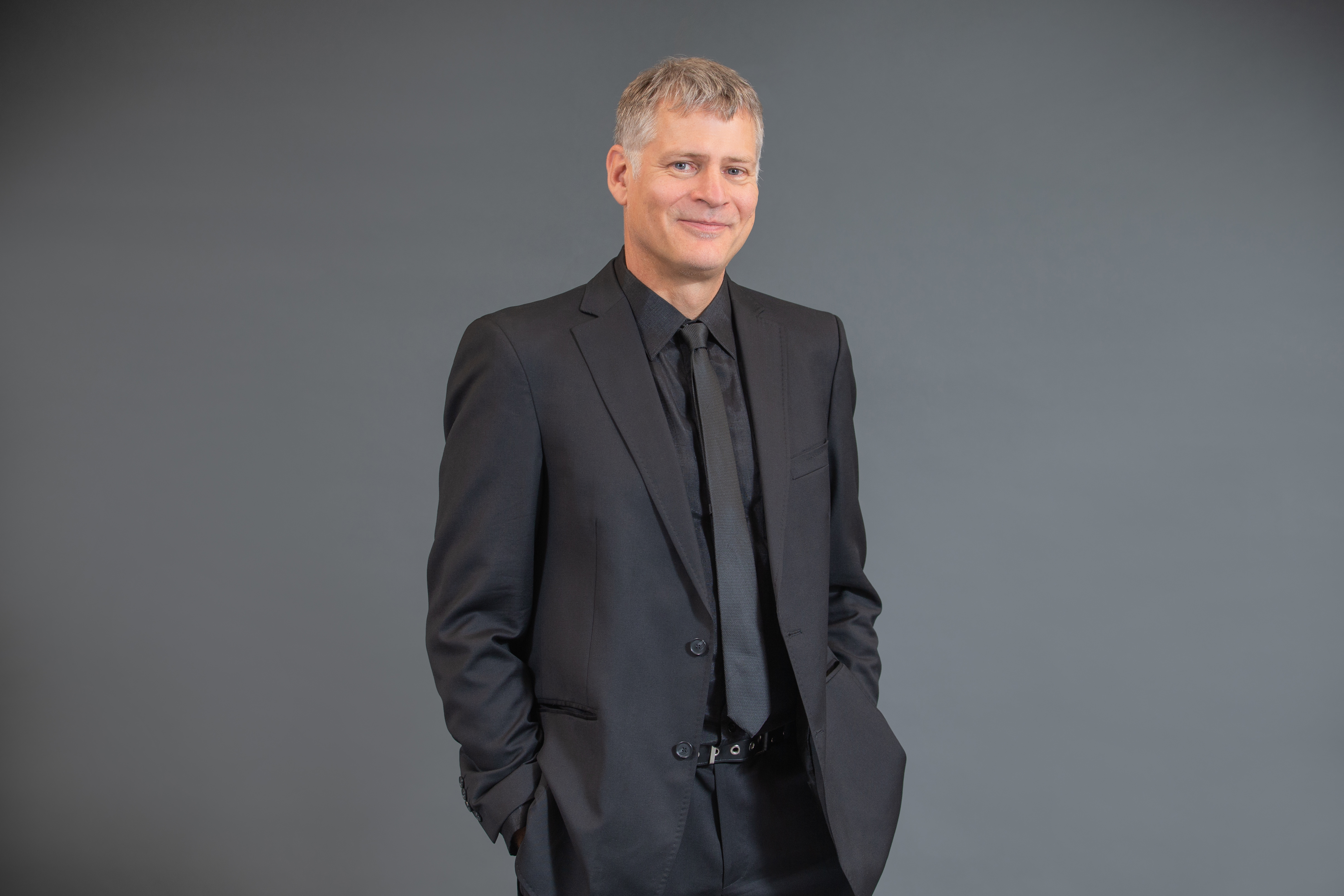
Michael is a Senior Fellow at The New Zealand Initiative. He leads the Initiative’s work on education. He is a cognitive psychologist with a background in literacy research, educational assessment and psychometrics.
Prior to his time at the Initiative, he was the Associate Dean (Academic) of the Faculty of Education at Victoria University of Wellington. Between 2005 and 2011, he worked at the New Zealand Qualifications Authority (NZQA), where he developed a new, more reliable, marking system for NCEA examinations. In 2024, Michael chaired a Ministerial Advisory Group (MAG) for Education Minister Erica Stanford. The MAG advised on the development of a knowledge-rich curriculum for English and mathematics. Following that work, Michael is currently a member of the Curriculum Coherence group, which advises on the development of knowledge-rich curricula across all school subjects. Michael is also a member of a technical advisory group to NZQA on assessment for NCEA and New Zealand Scholarship.
In his time at The New Zealand Initiative, Michael has published reports on Modern Learning Environments, systems reform in education, teacher education, the use of AI in education, and pathways for industry training and apprenticeships.
Phone: 044990790
New Zealand’s university leaders seem restless. In recent months, Massey, Victoria, Canterbury and Auckland Universities have all advertised for new Vice Chancellors (VCs). Read more
In this episode, Michael speaks with Professor Elizabeth Rata about the history of New Zealand's school system. The conversation challenges the contemporary narrative of 19th-century schools as authoritarian and oppressive. Read more
In 2007, then Australian Prime Minister Kevin Rudd announced a ‘digital education revolution.’ His government allocated A$2.4 billion (A$3.9 billion in today’s money) to the project. A large chunk of that went to providing a laptop to every senior secondary student. Read more
In this episode, Michael talks to Lynda Knight, principal of Glenview School in Porirua, about how understanding the neuroscience of stress and trauma transformed her school's approach to dysregulated behaviour. They discuss why a felt sense of safety, strong relational connections and teacher self-regulation are essential foundations for learning, and what schools and policymakers can do to better support children experiencing stress and trauma. Read more
In this episode, Michael speaks with Oliver Hartwich about his new research note "Who Runs the Country?", examining the friction between New Zealand's elected government and its permanent public service. They explore how the appointment of chief executives can undermine ministerial control, and why Germany's model of political appointments with institutional safeguards offers a promising alternative. Read more
Every two or three years, the Ministry of Education and the teachers’ unions engage in the spectacle of ritual combat known as collective bargaining. In 2025, the Public Service Commissioner took over from the Ministry in the arena. Read more
Dr Michael Johnston talked to Emile Donovan on Nights on RNZ about the Ministry of Education's plan not to build any new single-sex state schools, arguing that while co-education has clear social benefits, a blanket ban removes choice, particularly for families who can't afford private alternatives. Dr Johnston noted that his research found single-sex schools showed better academic results on average for both sexes, especially for Māori and Pasifika boys and boys from lower socioeconomic communities. Read more
In this episode, Michael talks with Dr James Kierstead about the pressures on academics to align with universities’ institutional priorities, including expectations to incorporate Māori and Pasifika perspectives in all teaching programmes. The discussion raises questions about academic freedom, institutional neutrality, and accountability, illustrated by the circumstances surrounding Dr Kierstead’s redundancy from Victoria University of Wellington. Read more
Democracy is easy to take for granted. For most of the last century, it has been advancing around the world. Read more
It is more than two weeks since the catastrophic failure of Wellington’s sewage treatment plant at Moa Point. Massive quantities of raw sewage continue to flow into Cook Strait. Read more
In this episode, Michael Johnston speaks with Kaaryn Cater of MindWise Connection about sensitivity – a temperamental trait that makes some people more affected by their environment. They explore why open-plan classrooms can overwhelm highly sensitive children, how social cues and sensory stimuli shape learning, and practical strategies teachers and workplaces can use to reduce overload and better support highly sensitive people. Read more
I have spent more than two decades involved in education research and policy, focusing on New Zealand’s school system. Yet even I struggle to understand my primary-aged daughters’ school reports. Read more
In this episode, Michael talks to demographer Marion Burkimsher about New Zealand's falling fertility rate and looming population decline. They explore whether immigration can fill the gap as birth rates drop, the psychological implications of ageing societies and what might actually help young people form families - from affordable housing to healthier relationships and realistic expectations about parenthood. Read more
This week, 2026 got under way in earnest. Workers are back at work, children are back at school and New Year’s resolutions have faded into distant memory. Read more
In this episode, Michael and Stephanie are joined by former Chief Justice of Australia Robert French to examine academic freedom and freedom of expression in universities. French reflects on the model code he developed in 2019 for Australian universities and explains why the real threat to free speech often lies in vague codes of conduct rather than controversial speakers. Read more